What to know about flower waste disposal Hammersmith and Fulham Council
Posted on 05/10/2026
What to Know About Flower Waste Disposal Hammersmith and Fulham Council
If you have ever finished a big bouquet, a wedding display, or a bunch of tired stems and thought, what now?, you are not alone. Flower waste disposal in Hammersmith and Fulham sounds simple on the surface, but once you start dealing with mixed materials, packaging, and local collection rules, it can get a bit messy. This guide to What to know about flower waste disposal Hammersmith and Fulham Council explains the practical bits clearly: what counts as flower waste, how to sort it, what to avoid, and how to handle it in a way that is tidy, sensible, and as compliant as possible. Whether you are a household, a florist, a venue, or managing event leftovers, there is a better way to handle it than just guessing and hoping for the best.
Flower waste is not just "garden waste" with a nicer smell. Fresh stems, leaves, florist foam, ribbons, paper, cellophane, and water all need different handling. Get that wrong and you can create contamination, extra cost, or a bag that sits there a bit too long on collection day. Let's make it straightforward.
- Why flower waste disposal matters
- How it works in practice
- Key benefits and practical advantages
- Who needs this and when it makes sense
- Step-by-step guidance
- Expert tips for better results
- Common mistakes to avoid
- Tools, resources and recommendations
- Law, compliance and best practice
- Options, methods and comparison table
- Case study or real-world example
- Practical checklist
- Frequently asked questions
Why What to know about flower waste disposal Hammersmith and Fulham Council Matters
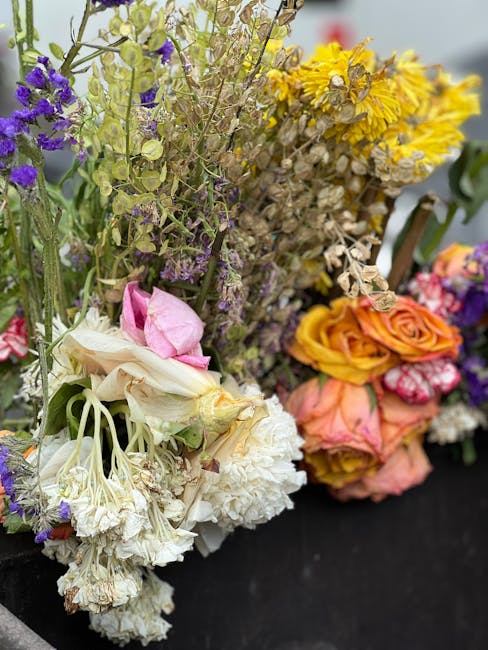
Flower waste looks harmless, but it still needs proper handling. In a busy borough like Hammersmith and Fulham, space is tight, collections are time-sensitive, and mixed waste can become a real nuisance fast. A bucket of wilting roses in summer, for example, turns from decorative to unpleasant in no time. You know the smell. Not ideal.
The main reason this matters is simple: flower waste is often more complicated than it seems. A florist clearing a bucket at the end of the day may have pure organic material. A wedding venue may have stems, table arrangements, ribbon, candles, and broken glass all in the same clean-up. A home might just have a bouquet and some wrapping. The disposal route changes depending on what is actually in the pile.
For residents and businesses, understanding the basics helps you:
- reduce contamination in general waste or recycling bins
- avoid unnecessary mess and odour
- save time when sorting after events or deliveries
- keep collection areas cleaner and safer
- make better decisions about reuse, composting, or disposal
There is also a wider environmental point. Flower waste is mostly biodegradable, but only when the right materials are separated out. A rose stem is one thing. Plastic wrapping, foam blocks, cable ties, and glittery card are another story entirely. Once mixed together, even "natural" waste becomes much harder to process well.
Practical takeaway: the best flower waste disposal is usually not about throwing everything away faster. It is about separating the right bits first, then choosing the simplest lawful route for the rest.
How What to know about flower waste disposal Hammersmith and Fulham Council Works
There is no one-size-fits-all answer here, and that is where people get tripped up. Flower waste disposal generally depends on the type of waste, who produced it, and what other materials are attached to it.
In practice, you are usually looking at one of these situations:
- Pure flower and green waste such as stems, leaves, petals, and compostable plant matter.
- Mixed floral waste including wrapping, ribbons, tape, foam, wire, and other non-organic items.
- Event or commercial waste from weddings, shops, hotels, offices, or venues where quantity is higher and sorting matters more.
If the waste is mainly organic, it may be suitable for garden-style disposal or composting, depending on what disposal options are available to you and what has been mixed in. If it is contaminated with plastic, foam, or other non-compostable items, it usually needs a different route. Truth be told, this is where many people make a small assumption and accidentally create a larger problem.
For example, a florist might have a box of cut stems at the end of a morning shift. Easy enough. But if those stems are bundled with ribbon, wet paper, and plastic sleeves, the whole lot may need splitting before it can be handled sensibly. That little bit of sorting at the start saves a lot of hassle later on.
If you are dealing with regular volumes, it is worth setting up a simple internal process. Keep a dedicated container for stems, one for soft compostable material if suitable, and another for non-recyclable accessories. That sort of system sounds a bit obvious, but you will notice the difference by Friday afternoon when everything is not piled into one bag.
For those with ongoing flower waste needs, it can also make sense to align waste handling with other service planning. If you already organise local deliveries or stock rotation, the same approach used for products such as flower delivery in Fulham SW6 can be extended to end-of-day waste sorting, making the whole operation more orderly.
Key Benefits and Practical Advantages
Getting flower waste disposal right brings a few clear benefits, and they are not just theoretical.
Cleaner workspaces
When flower waste is separated properly, bins smell less, staff spend less time sorting, and surfaces stay cleaner. That matters in small back rooms, shared building bin stores, and event spaces where everything seems to happen at once.
Better environmental handling
Organic stems and leaves are often much more manageable when kept separate from plastics and foam. If you are trying to reduce waste going to landfill, this is a useful first step. It is not glamorous, but it helps.
Lower risk of contamination
One of the biggest causes of failed sorting is contamination. A few bits of florist tape or foam can compromise an otherwise compostable load. Proper separation protects the value of the waste stream.
More predictable disposal costs
Mixed waste is usually harder to manage than clearly sorted waste. Even if you are not dealing with commercial quantities, separating materials can help you avoid overfilling bins and reduce avoidable handling time.
Less stress around collections
If you have ever tried to rush a bin out before collection while carrying a soggy armful of stems and a half-open box of ribbon, you will know the feeling. Proper preparation makes collection day much calmer.
Another quiet benefit: you make the whole place look more professional. For florists, venues, and event organisers, that matters. People notice whether the back-of-house area is just as organised as the front.
Who This Is For and When It Makes Sense
This topic matters to more people than you might expect. Flower waste disposal is not just a florist problem, and it is not just a council issue either.
Households
If you are clearing out old bouquets after birthdays, anniversaries, sympathy arrangements, or a house move, you will usually have a small amount of flower waste that needs to be handled cleanly. Often it is just about removing packaging and deciding whether the stems can go with organic waste or need to go in general waste.
Florists and flower shops
For shops, the issue is routine. Daily cuttings, expired stock, damaged stems, preparation waste, and leftover event flowers all add up. If your work includes a shopfront in the local area, a structured disposal routine is worth its weight in gold. A florist with a dependable system tends to run calmer, honestly.
Wedding venues and event teams
Weddings produce beautiful flowers and a surprising amount of mess behind the scenes. Table arrangements, aisle pieces, petals, ribbons, tape, packaging, and occasional broken vases all need sorting. The waste may be small in volume per item, but the total pile after an event can be substantial.
Offices, hotels, restaurants and reception spaces
Fresh flowers in entrance areas look great. Then Thursday comes round, and the blooms start leaning a bit dramatically. Businesses using regular displays need a disposal plan that is simple enough to repeat without much thinking.
Families handling funerals or memorial flowers
There is a gentle sensitivity here. Sympathy flowers often come with cards, wrappings, and keepsakes that should be separated carefully. If you are also planning related floral arrangements, pages like funeral flowers in Fulham SW6 can help with the practical side of choosing arrangements, while disposal needs a calm, respectful approach afterwards.
In short, if flowers come in regularly, flower waste disposal becomes part of the workflow. If they only come occasionally, it becomes a one-off decision. Either way, a bit of planning goes a long way.
Step-by-Step Guidance
Here is the simplest way to approach flower waste disposal without overcomplicating it.
- Separate organic material from non-organic material. Remove wrapping, plastic sleeves, cable ties, foam, cellophane, and decorative tape wherever possible.
- Check what is actually in the waste. Fresh stems, wilted petals, and leaves are very different from mixed display materials.
- Remove reusable items. Vases, ribbons, boxes, and cards may be worth keeping or storing separately.
- Decide whether the flower matter is suitable for composting or green disposal. If it is heavily contaminated, keep it out of compostable streams.
- Bag or contain the waste properly. Use sturdy bags or containers so you do not end up with wet stems leaking across the floor.
- Store it safely until collection or disposal. Keep it away from heat where possible. On a warm afternoon, flower waste can become unpleasant rather quickly.
- Follow the relevant collection rules for your property or service. If you are in a managed building, check the bin arrangement before placing anything out.
A useful trick is to create a "flowers in / flowers out" routine. When new flowers arrive, decide where the packaging goes. When flowers are removed, decide where the stems go. The process becomes easier when you stop treating waste as an afterthought.
If you are also sending flowers regularly, a page like send flowers in Fulham SW6 can sit alongside your operational planning. It sounds small, but clean handling on the front end often means cleaner disposal on the back end too.
Expert Tips for Better Results
Small improvements make a surprisingly big difference here. Not dramatic, just practical.
Keep the waste stream simple
The fewer mixed materials you create, the easier disposal becomes. If you use too many decorative extras, you create more sorting later. A neat bouquet is lovely. A bouquet wrapped in half the shop can be a headache.
Train staff or household members on the basics
People do not need a lecture. They need a simple rule. For example: stems and leaves in one place, plastic and foam in another. That is enough for most day-to-day handling.
Use labelled containers
One labelled bin for compostable green waste and one for mixed waste can save a lot of confusion. Labels sound minor, but they reduce "I thought someone else would sort it" moments. We have all had those.
Plan around peak times
After weddings, holiday events, or busy weekend trading, flower waste can build up quickly. If you know Monday morning is your awkward time, plan for it. A little anticipation avoids Monday chaos, which is never a bad thing.
Do not leave waste to steep
Wet flower waste in a sealed bag can become smelly fast. If you cannot dispose of it immediately, keep it contained and as cool as practical. Nobody wants a surprise bouquet aroma in the back room.
Keep reusable flowers separate if you use them
Some displays may be reused for styling, photos, or future arrangements. Separating reusable items early avoids accidental disposal. Easy to miss, easy to regret.
If you want to pair disposal good habits with longer-lasting floral value, useful care advice can also help. A page like flower care tips is a practical companion for reducing waste in the first place. Less waste created is always the cleanest route, really.
Common Mistakes to Avoid
Most flower waste mistakes are simple ones, which is why they happen so often.
- Mixing flowers with plastic wrap and foam and assuming the whole thing can be treated the same way.
- Ignoring damp waste until it smells or leaks.
- Throwing away reusable items such as vases, holders, or cards without checking.
- Using the wrong bin because it is nearest, not because it is correct.
- Leaving stems attached to wires or floral foam and expecting easy composting.
- Not separating sympathy flowers carefully when cards, keepsakes, or tributes matter.
- Assuming every green-looking item is organic when sometimes it is only pretending to be.
Another common slip is handling flower waste too late in the day. By evening, it is heavier, wetter, and more likely to be in the way. If you can clear it while you are still working with the display, do it. Future you will be grateful. Bit of an unsung hero, that one.
Tools, Resources and Recommendations
You do not need specialist equipment for every situation, but a few simple tools make flower waste disposal much easier.
| Tool or item | What it helps with | Best use case |
|---|---|---|
| Sturdy bin liners | Containing wet stems and leaves | Households, florists, events |
| Labelled containers | Keeping organic and mixed waste separate | Shops, venues, back rooms |
| Reusable crates or buckets | Transporting flowers before sorting | Delivery prep, event clean-up |
| Secateurs or scissors | Removing ties and trimming stems | Florists, event teams |
| Gloves | Handling thorny or damp waste | Large clear-ups, commercial use |
| Cleaning cloths and wipes | Dealing with residue and leaks | Any workspace |
For businesses with regular floral activity, it can also help to think about the full workflow, not just the waste end. For example, if you buy stock, arrange displays, and handle customer orders in one place, the same process discipline applies throughout. A florist using a trusted local source such as a florist in Fulham SW6 can coordinate product handling and waste handling more smoothly.
Other useful internal resources on the site can help with planning, delivery timing, and product selection:
- same-day flower delivery in Fulham SW6
- next-day flower delivery in Fulham SW6
- sustainability information
- delivery details
Those pages are not about waste disposal directly, of course, but they do sit nicely beside the same operational mindset: planning ahead, reducing avoidable waste, and making the process simpler.
Law, Compliance, Standards, or Best Practice
This is the section where people often want a straight yes-or-no answer. The honest answer is that flower waste handling can involve several overlapping expectations, and they depend on what the waste contains and who is producing it.
For households, the main concern is usually straightforward local disposal and keeping waste streams clean. For businesses, there may be broader responsibilities around storage, separation, duty of care, and appropriate waste collection. If your flower waste is part of commercial activity, it is worth being careful rather than casual. Not dramatic, just careful.
Good practice in the UK usually means:
- separating recyclable, compostable, and general waste as clearly as possible
- keeping waste stored safely before collection
- preventing leakage, odour, and contamination
- using authorised waste routes where commercial waste is involved
- keeping the process documented if your business needs to show consistent handling
If you are not sure whether your flower waste qualifies as organic green waste, mixed commercial waste, or something else, the safest course is to treat it conservatively until sorted. That usually means removing non-organic materials first and only placing clean organic matter into the relevant stream.
Best practice also includes preventing waste in the first place where possible. Buying fewer unnecessary decorative extras, planning arrangements more precisely, and choosing flowers that hold up well can all reduce disposal pressure. Pages like sustainability reinforce that mindset without making it feel preachy, which is refreshing.
Options, Methods, or Comparison Table
There are a few practical ways to deal with flower waste, and the best one depends on volume, contamination, and whether you are at home or running a business.
| Method | Best for | Pros | Watch-outs |
|---|---|---|---|
| General waste | Small mixed loads with plastic or foam | Simple, widely available | Less sustainable; fill levels matter |
| Organic or green waste stream | Clean stems, petals, leaves | Better for biodegradable material | Must avoid contamination |
| On-site composting | Suitable gardens or business premises with space | Reduces disposal volume | Not suitable for all materials; needs management |
| Reuse or repurpose | Events, displays, household decor | Extends life of flowers | Only works while blooms are still usable |
| Specialist commercial collection | High volumes or regular business waste | Efficient, structured | Needs planning and cost consideration |
To be fair, most people do not need every method. A household will usually use one or two. A florist or venue might use three. The point is to match the method to the waste, rather than forcing the waste into the nearest available bin and crossing your fingers.
Case Study or Real-World Example
Imagine a small event space in Fulham after a Saturday wedding. There are table sprays, a ceremony arch, petals along the aisle, and dozens of stems in water buckets. By Sunday morning, the room looks calm again, but the back area is not exactly cheerful. Buckets need emptying, ribbons must be removed, and the flowers that can be reused for a second display need to be sorted out quickly.
In that sort of situation, the team that does best is usually the one that already has a simple waste routine. They separate reusable stems from spent flowers, place plastics and ties in a separate container, and keep damp organic waste bagged neatly rather than piled in a corner. Nothing fancy. Just organised.
The difference is usually visible within an hour. Less smell, less mess, and less "where does this go?" confusion. The clean-up feels smoother, and the venue is ready for the next booking without a last-minute scramble. That is the real win.
A florist shop has a similar story. End-of-day flower heads, snipped stems, damaged petals, and wrapping material can quickly build up. One shop might dump everything together and spend extra time later untangling it. Another might have a clear system with a dedicated waste bucket, a separate wrapping bin, and a quick sweep-down routine. Same flowers, very different stress level.
Practical Checklist
Use this simple checklist before you dispose of flower waste:
- Have I removed plastic wrap, foam, tape, wire, and other non-organic materials?
- Have I kept reusable vases, boxes, or cards aside?
- Is the remaining flower waste clean enough for an organic or green stream?
- Is the waste contained securely so it will not leak or smell?
- Do I know which bin, collection point, or disposal route to use?
- Have I separated sympathy or memorial items with extra care where needed?
- Is anything still useful before I throw it away?
- Am I dealing with a one-off household clear-up or a regular business process?
- Do I need a better storage or sorting setup for next time?
If you can tick most of those off, you are already ahead of the curve. It does not need to be perfect. Just tidy, thoughtful, and consistent.
Conclusion
Flower waste disposal in Hammersmith and Fulham is manageable once you strip it back to the essentials: separate the organic material, remove the non-organic bits, store it properly, and use the right disposal route for the waste you actually have. That is the whole game, really. Simple on paper, a little fiddly in real life, but very doable once you have a routine.
If you are a household, the process may only take a few minutes. If you are a florist, venue, or business, it is worth building into your daily workflow so it never becomes a last-minute scramble. The better your sorting, the cleaner your space, and the easier everything else becomes.
And if you are already choosing flowers carefully, caring for them well, and thinking about sustainability, you are doing more than just keeping things tidy. You are making the whole cycle smarter from start to finish. That matters.
Get a free quote today and see how much you can save.
Little changes add up, and a well-handled bouquet can leave a cleaner footprint as well as a better impression.
Frequently Asked Questions
What counts as flower waste?
Flower waste usually includes spent stems, petals, leaves, and other floral material that is no longer usable. It can also include packaging or accessories if they are still attached, but those should be separated first wherever possible.
Can I put flower waste in my garden waste or organic bin?
Clean flower waste may be suitable for a green or organic waste stream, but only if it is not mixed with plastic, foam, tape, wire, or other non-compostable materials. If in doubt, separate the waste first and check the local rules that apply to your property.
What should I do with flower wrapping and ribbons?
Wrapping, ribbons, and similar accessories should normally be removed from the floral waste and sorted separately. Plastic, foil, and foam are especially important to keep out of organic waste.
How do florists usually handle flower waste?
Florists usually separate cut stems and leaves from mixed packaging, then dispose of each part through the most suitable route. A simple daily sorting system makes the process quicker and helps reduce contamination.
Is flower waste considered hazardous?
In most ordinary household or retail situations, flower waste itself is not hazardous. The risk usually comes from mixed materials, sharp wire, broken glass, or damp waste that has been left too long.
What is the best way to dispose of large amounts of flower waste after an event?
Large event waste is best handled by sorting organic material from non-organic items as early as possible, then using the appropriate collection or disposal route. If quantities are high, a structured commercial waste approach may be more practical.
Can I compost flowers at home?
Yes, clean flowers can often be composted at home if they are free from plastic, wires, and other contaminants. It is best to keep the compost mix balanced and avoid adding heavily treated or mixed decorative materials.
What do I do with flower foam?
Floral foam should be kept separate from organic flower waste. It is not the same as stems or leaves, and it normally needs a different disposal route.
Does flower waste smell if left out?
Yes, it can. Fresh flowers are pleasant, but once they start to wilt and sit in warm conditions, the smell can become quite strong. Bagging and timely disposal help keep things under control.
How can I reduce flower waste in the first place?
Plan arrangements carefully, choose flowers that suit the occasion and lasting time needed, and avoid unnecessary packaging where possible. Better care also helps flowers stay fresh for longer, which means less waste overall.
What if my flower waste includes sympathy or funeral arrangements?
Handle those items carefully and respectfully. Separate cards, keepsakes, and any reusable elements before disposal. If you are choosing memorial arrangements in the first place, pages such as funeral flowers in Fulham SW6 can help you plan that side with more confidence.
Do I need a special service for flower waste?
Not always. Small household amounts usually do not need anything special, but businesses, venues, and florists may benefit from a regular waste routine or commercial collection if the volume is steady. It depends on how much you handle and how mixed the waste is.